
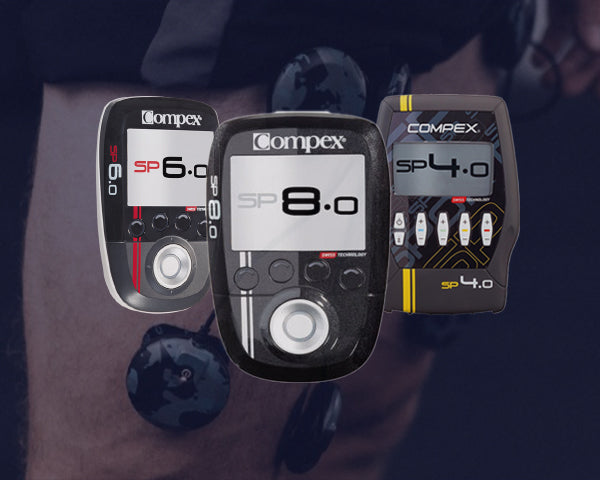




A massage gun can feel good after a demanding session, but it is worth knowing what it can and cannot do. A Compex massage gun delivers rapid pulses to soft tissue. People commonly use this kind of device to ease the feeling of muscle tightness or as part of a warm-up or wind-down. It is a comfort tool, not a treatment for an undiagnosed injury.
Where does it fit in a routine?
Use it alongside the fundamentals: appropriate exercise, gradual progression, food, hydration and sleep. If a physiotherapist has given you a rehabilitation programme, ask whether percussion massage is suitable before adding it, especially around a recent injury or surgery.
Start gently
Read the instructions for your Compex model and begin with a comfortable setting on a large muscle rather than pressing hard. Keep the device moving and pay attention to how the area responds. The aim is a manageable sensation, not to work through pain. Follow the manufacturer’s guidance on attachments and duration.
Know when to skip it
Do not use a massage gun directly over bones, joints, the front of the neck, broken skin or an acutely injured or swollen area. Seek clinical advice before using it if you have a circulation or bleeding condition, unexplained pain, altered sensation or any medical reason to avoid massage. Stop if symptoms worsen, you feel numbness or bruising develops.
Recovery is more than a device
A massage gun may make a short recovery session feel more comfortable, but it cannot diagnose the cause of pain or replace a graded exercise plan. If pain persists or keeps returning, get it assessed rather than repeatedly massaging the area.
This article is general information and not personalised medical advice.


